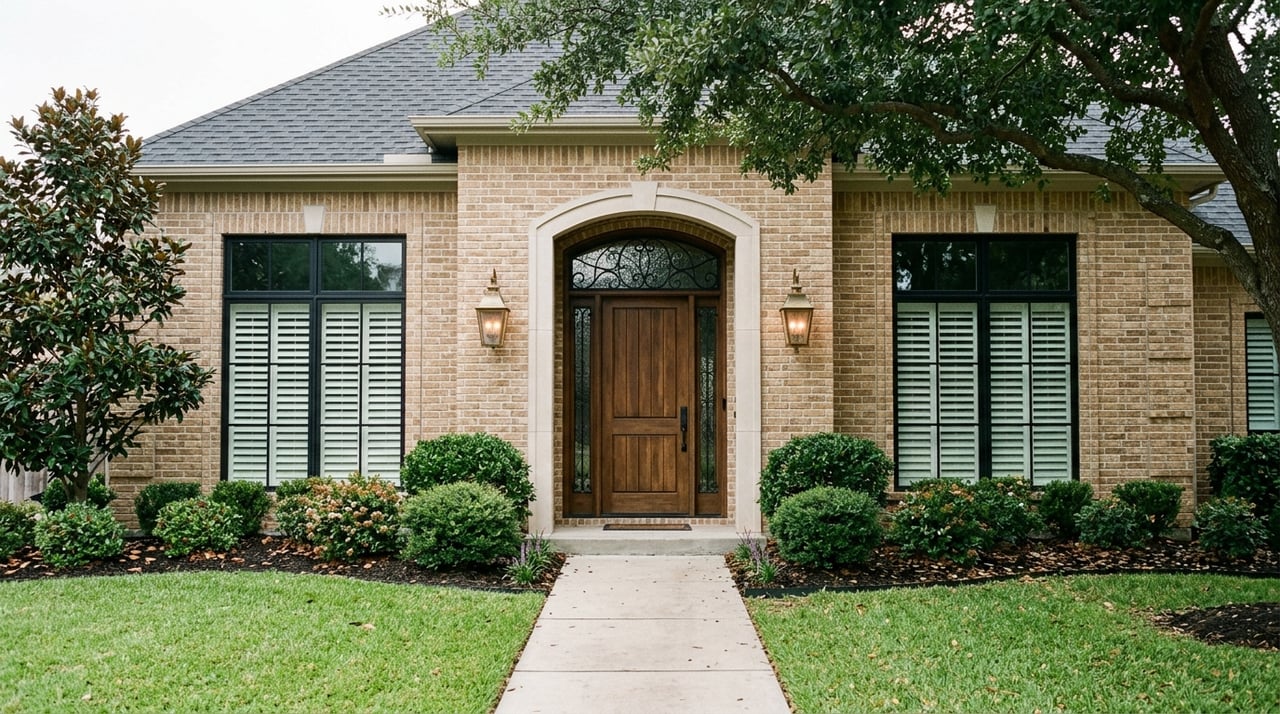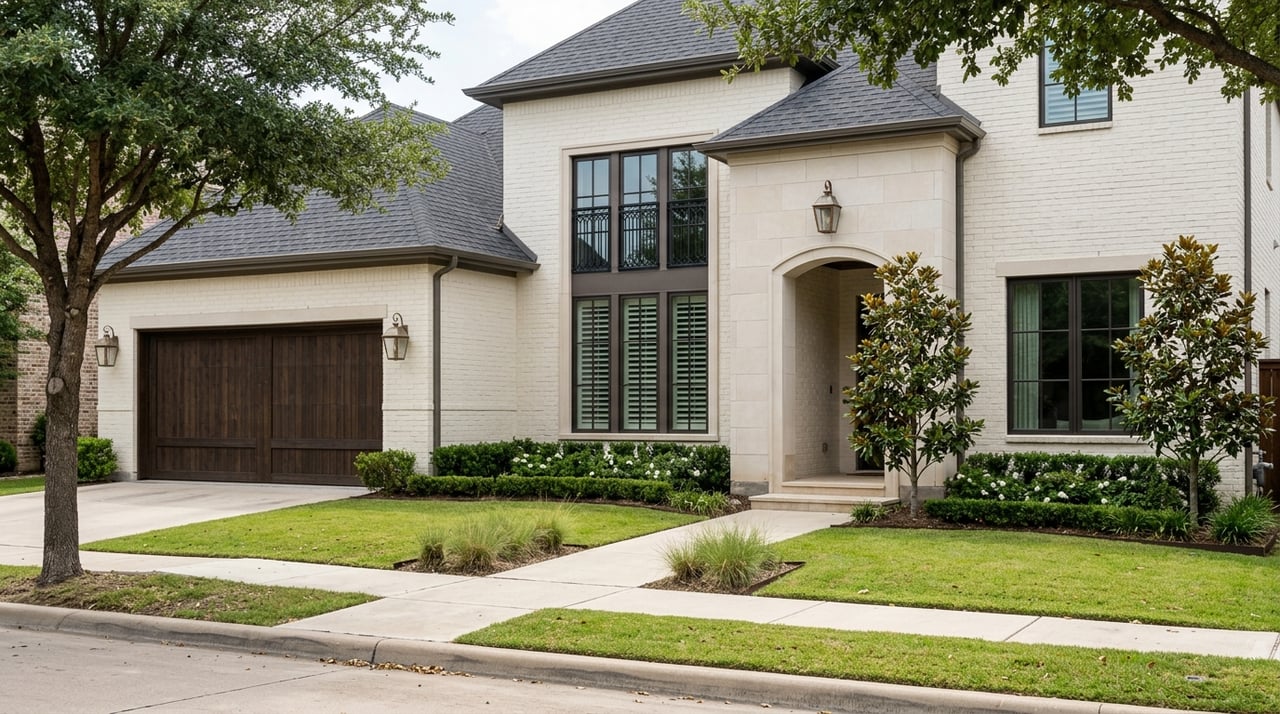
If you are drawn to the idea of resort-style amenities, coordinated community design, and newer homes in one of Greater Houston’s fastest-growing areas, master-planned living in Katy may already be on your radar. The appeal is real, but so is the need to look beyond the model home and understand how these communities work day to day. This guide will help you sort through the biggest factors, from amenities and home styles to HOA rules, taxes, school assignment, and flood-risk due diligence. Let’s dive in.
What master-planned living means in Katy
Master-planned communities, often called MPCs, are large neighborhoods designed from an overall site plan rather than built as isolated subdivisions. As Realtor.com explains in its overview of master-planned communities, these communities are laid out to organize homes, streets, parks, and other land uses in a more coordinated way.
In the Katy area, that structure can look very different from one community to the next. Some are located within the City of Katy, while others extend west into Waller County or nearby growth corridors. That means “Katy master-planned living” is not one single product type or one single price point.
Katy communities vary in scale
One of the first things to know is that these communities can be very large and built in phases over time. Current examples in the Katy area include Elyson at 3,642 acres, Cane Island at about 1,100 acres, Sunterra at 2,303 acres, Grange at 1,130 acres, and Sunterra Lakes at 1,463 acres.
That scale matters because it shapes everything from the number of builders to the pace of amenity delivery. It also means what you see in an early phase may not fully reflect how the community will feel after several more sections, parks, retail areas, or school sites are completed.
Amenities are a major draw
For many buyers, the biggest reason to consider master-planned living in Katy is the lifestyle package. Across the area, amenities often include pools, splash pads, clubhouses, fitness centers, trails, parks, sports courts, dog parks, and resident events.
Some communities lean heavily into a resort feel. For example, Cane Island highlights a fitness center, yoga studio, lap pool, family pool, water playground, and onsite restaurant, while Sunterra is marketed around a Crystal Lagoons amenity and lazy river. Elyson promotes parks, trails, pools, splash pads, tennis courts, and community gathering spaces, and Grange’s early plans include a park, pavilion, and playspaces with a larger amenity complex planned later.
The key takeaway is simple: amenities can be impressive, but they are not always finished all at once. If a certain feature matters to you, confirm whether it is open now, planned for a future phase, or subject to access limits.
Home options are often broader than expected
A common misconception is that a master-planned community offers a narrow, cookie-cutter housing experience. In the Katy market, the opposite is often true. Many of these communities include multiple builders, different lot sizes, and a wide mix of home styles.
For example, Elyson currently markets paired homes, single-family homes, luxury homes, and single-story living, while Sunterra Lakes advertises homes from multiple builders and a price range from the $300s to the $600s. Cane Island has offered homes with features like flex spaces, media rooms, gourmet island kitchens, and outdoor entertaining areas.
This variety is important if you are relocating, upsizing, or trying to match a certain lifestyle. In practice, the master-planned label in Katy does not automatically mean one architectural style, one builder, or one budget.
Price ranges can span widely
Another important point is that Katy-area MPCs cover a broad pricing spectrum. Based on current community marketing, Elyson shows homes from the $300s to $1 million plus, while Cane Island lists homes from the $400s to the millions.
That means you should avoid assuming that one community is automatically more affordable or more upscale based on the name alone. The better approach is to compare specific sections, builders, lot sizes, and finished monthly ownership costs.
HOA rules deserve careful review
Master-planned living often comes with a stronger framework for design standards, maintenance expectations, and shared amenities. That can help create consistency across the community, but it also means you should understand the HOA before you buy.
In Texas, HOAs file a management certificate that identifies the subdivision, association, management contact, and certain fee information. The state maintains a searchable resource through hoa.texas.gov’s management certificate guidance.
Before closing, it is wise to review the HOA’s governing documents, rules, and resale information. The Texas State Law Library’s property owners association guide notes that state law addresses topics such as governance, elections, architectural review authority, and owner access to records.
What to request from the HOA
Ask for these items as part of your due diligence:
- Management certificate
- Resale certificate
- Current budget
- Reserve information
- Architectural guidelines
- Fine policy
- Transfer fees or other assessment details
You can also review Texas Property Code Chapter 207 as a starting point for understanding resale certificate requirements and related disclosures.
Taxes may include more than you expect
One of the most important financial realities in Texas master-planned communities is that your monthly ownership cost may include more than mortgage, insurance, and HOA dues. Many communities are located in a municipal utility district, or MUD.
According to the Texas Commission on Environmental Quality’s MUD overview, these districts are formed to provide utility services and may tax, borrow, and issue bonds. For you as a buyer, that means the total payment picture may include mortgage, homeowners insurance, HOA dues, MUD taxes, and the regular county and school district tax burden.
This is one of the biggest reasons to compare the full ownership picture rather than focusing only on the base home price. Two homes that look similar on paper can carry meaningfully different monthly costs.
School assignment should be verified by address
If school assignment is part of your home search, confirm it for the exact property or lot you are considering. This matters because attendance boundaries can change as the area grows, and some Katy-area master-planned communities span more than one district or campus path.
For example, the research shows that Sunterra is zoned to both Katy ISD and Royal ISD depending on phase, while Sunterra Lakes is tied to Royal ISD. Katy ISD provides an address-based school assignment tool and notes that attendance boundaries are reviewed as growth continues.
The safest move is to verify the address directly rather than relying on a neighborhood name or a broad marketing statement.
Flood risk should be checked lot by lot
In the Houston region, flood due diligence is part of a smart buying process. FEMA’s Flood Map Service Center is the official source for flood-hazard maps, and FEMA notes that flood risk can change and may exist in many locations.
Just as important, standard homeowners insurance often does not cover flood damage. That makes it wise to check the map for the specific parcel and, when appropriate, request a flood insurance quote before you finalize your decision.
Construction timing can affect your experience
Because many Katy-area MPCs are still growing, timing matters. Early buyers may enjoy newer inventory and the chance to get into a community before it is fully built out, but they may also live alongside ongoing construction.
The research for Sunterra and Sunterra Lakes notes that amenities, access, and availability can change over time, and some features may be limited or membership-based. Realtor.com also points out that buyers in master-planned communities may move in before all amenities are complete.
That does not make early-phase buying a bad idea. It simply means you should ask direct questions about what is finished now, what is under construction, and what is still conceptual.
Commute and infrastructure still matter
Even in a highly amenitized community, your daily routine will still be shaped by road access, traffic patterns, and nearby commercial growth. In Katy, this can vary a great deal depending on where a community sits relative to I-10, Morton Road, or the Grand Parkway.
For example, research notes that Cane Island emphasizes immediate I-10 access, Grange is positioned between I-10 and Morton Road, and Sunterra Lakes is built around access to the Grand Parkway and West Houston destinations. If you are comparing communities, it is smart to weigh commute convenience alongside the home and amenity package.
A smart checklist for Katy buyers
If you are considering master-planned living in Katy or nearby Waller County, keep this checklist handy:
- Verify the exact school assignment for the specific lot or address
- Review HOA documents, fees, and design guidelines
- Confirm whether the property is in a MUD or another special district
- Ask which amenities are open now versus planned later
- Check flood maps for the exact parcel
- Compare commute routes and nearby infrastructure
- Look at total monthly ownership cost, not just purchase price
Taken together, these steps can help you move from excitement to clarity. That is often the difference between loving the model home and feeling confident about the full investment.
Master-planned living in Katy can offer a compelling blend of convenience, amenities, and newer housing choices, but the best decision comes from informed comparison. If you want guidance sorting through Katy, Waller County, and relocation options with a polished, concierge-style approach, Amy McDaniel can help you evaluate the full picture with care and clarity.
FAQs
What is a master-planned community in Katy?
- A master-planned community in Katy is a large-scale neighborhood designed from an overall site plan that organizes homes, streets, parks, and other uses in a coordinated way.
What amenities are common in Katy master-planned communities?
- Common amenities in Katy master-planned communities include pools, splash pads, trails, parks, clubhouses, fitness centers, sports courts, dog parks, and resident gathering spaces, though features vary by community and phase.
What should you ask about HOA fees in Katy master-planned communities?
- You should ask what the HOA fee covers, whether there are transfer fees or future assessments, and what rules apply to design changes, parking, landscaping, fencing, and exterior updates.
How do MUD taxes affect Katy homeownership costs?
- MUD taxes can increase total monthly carrying costs because, in addition to your mortgage and HOA dues, you may also pay taxes tied to utility infrastructure and district services.
Why should you verify school assignment by address in Katy?
- You should verify school assignment by address because attendance boundaries can change and some master-planned communities may include different school district zoning depending on the phase or lot location.
Why should you check flood maps before buying in Katy or Waller County?
- You should check flood maps before buying because flood risk can vary by parcel, FEMA maps are the official source, and standard homeowners insurance often does not cover flood damage.